


Feed can account for up to 50% of the costs in shrimp farming. If shrimp cannot fully digest the feed, it leads to waste and excess, with the leftover feed being a primary source of health degradation, reduced productivity, and water quality issues. To achieve sustainability in shrimp farming, it is necessary to improve not only the feed rations but also the pond environment. One of the most promising and interesting solutions in this case is the use of a blend of exogenous enzymes (Superzyme CS) added to the feed to optimize nutrient absorption by shrimp and improve their living conditions.
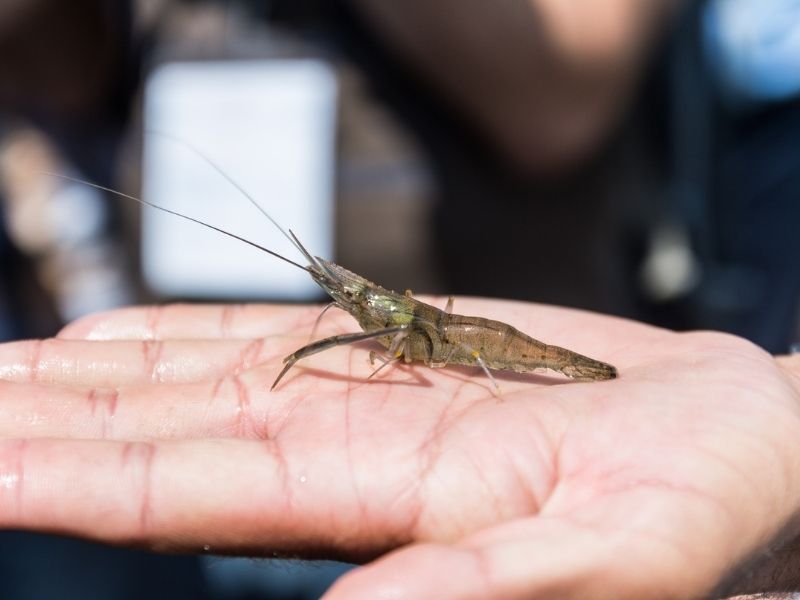
Why is it necessary to add a blend of enzymes to the daily diet of aquatic animals?
Enzymes are considered tools to help break down all nutrients in the feed and convert them into usable nutrients and energy for the body. Each type of compound in the feed requires a specific enzyme to break it down into simpler forms for absorption and growth.
Aquatic animals can produce important digestive enzymes themselves; however, during their early stages or throughout the farming cycle, they often do not produce enough of these enzymes to digest the feed properly. For shrimp, although they have organs to secrete digestive enzymes for most of the food they consume, their short digestive tract and rapid digestion process make enzyme supplementation even more crucial. Furthermore, as temperatures rise, shrimp eat and excrete quickly, leading to nutrients not being fully broken down for absorption and being expelled into the pond, contributing to water pollution.
On the other hand, current feed ingredients often contain factors that are difficult to digest or even hinder digestion. The endogenous enzyme levels in aquatic animals are insufficient to meet the hydrolysis needs, leading to digestive diseases, potential infections with white feces, damage to nutrient absorption receptors, loose stools, and environmental pollution.
For example, phosphorus in phytate bonds is an anti-nutritional factor present in many plant-based feed ingredients. Without the enzyme phytase (which aquatic animals cannot produce), phosphorus will not be released into a form that can be easily absorbed. This results in phosphorus being discharged into the environment, causing organic pollution, promoting algae growth, disrupting phosphorus balance in the body, and impairing shrimp growth and absorption.
Shrimp also have limited ability to digest algae without protease enzymes in the feed. Previously, fishmeal was the primary and important protein source for shrimp feed. However, due to recent shortages, prices have increased, leading farmers to use cheaper plant-based protein sources such as soybean meal and peanut meal. However, when shrimp are fed with such ingredients, they expel the undigested food in their feces due to a lack of necessary enzymes to digest the anti-nutritional factors in these plant materials.
These anti-nutritional factors can harm the digestive tract by hindering digestion, reducing nutrient absorption, causing stunted growth, destroying pancreatic cells, inhibiting digestive enzyme activity, reducing feed palatability, inhibiting vitamins, and producing harmful toxins affecting growth and survival rates. Additionally, feed often contains various additives such as binders, antioxidants, antifungal agents, flavorings, and colorants.
For these reasons, adding external enzymes to the shrimp digestive system is increasingly essential. Due to the variety of different feed components, the supplementation of enzymes in the daily diet also needs to be diverse. Using a blend of exogenous enzymes like Superzyme-CS is an optimal and reasonable solution to minimize the impact of anti-nutritional factors in the feed; improve amino acid and energy utilization; reduce toxins in the body; and decrease environmental pollution, thereby improving farm productivity, shortening grow-out times, reducing digestive diseases, lowering antibiotic treatment costs, and increasing profitability for shrimp farmers.
The main goal of using exogenous enzymes in feed is to enhance digestion, ensuring that digestive processes operate more effectively and improving productivity and quality. Some cases that require enzyme supplementation (for farming processes not regularly using enzymes) include:
- Early developmental stages
- Interrupted or loose intestines
- Poor appetite, reduced feed intake, poor digestion
- Periods of antibiotic use in the farming cycle
- After recovering from illness
- Stunted growth
- Adverse environmental conditions
- High stocking densities (to help minimize environmental pollution)
- Preventing liver disease (supporting and reducing the burden on the liver and pancreas during digestion)
- Areas affected by disease (to support and strengthen the immune system)
Daily enzyme supplementation in shrimp and fish feed represents an advancement in aquatic animal nutrition. Enzymes should be added daily, at least once a day during shrimp farming, to support digestion, prevent digestive diseases like white feces, intestinal interruption, and bloating in fish.
Venamti Team